
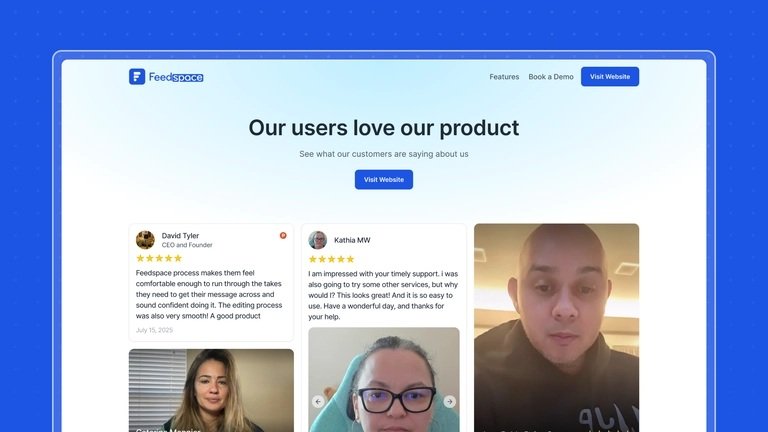
Looking to boost your marketing game and close more deals in 2026? Choosing the right sales tools can make all the difference between chasing leads and turning them into loyal customers.
Imagine having powerful software that not only saves you time but also helps you understand your audience better, automate tasks, and track your success effortlessly. If you want to stay ahead and maximize your sales potential, you need to know which tools are worth your attention.
Ready to discover the best sales tools for marketers in 2026? Let’s dive in and uncover the game-changers that can transform your sales strategy—starting with AppSumo, a must-have platform packed with marketing and sales resources designed to elevate your results.
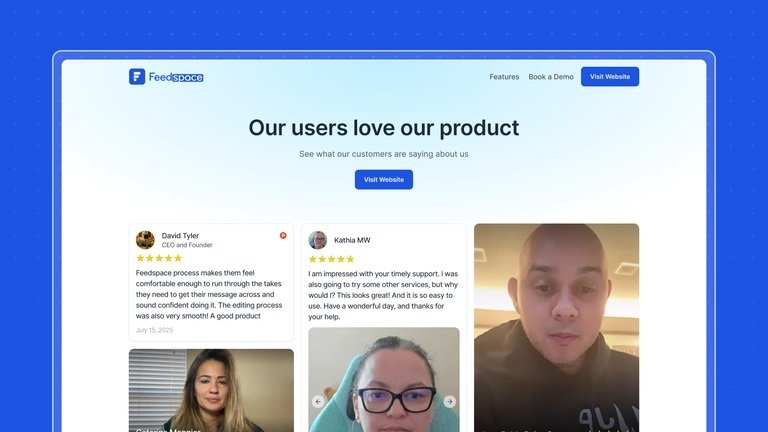
Credit:Appsumo
Introduction To Sales Tools For Marketers In 2026
Sales tools in 2026 have evolved to become essential for every marketer. These tools help streamline tasks, enhance customer engagement, and improve sales outcomes. Marketers rely on them to gain insights, automate processes, and track performance efficiently.
Choosing the right sales tools can simplify complex marketing activities. It allows marketers to focus more on strategy and less on repetitive tasks. This introduction explains the role of sales tools and the value of investing in the right ones.
Overview Of Sales Tools And Their Role In Marketing Success
Sales tools cover a wide range of functions that support marketing efforts. They include customer relationship management (CRM), email marketing, automation, analytics, and content creation tools.
CRM systems like HubSpot and Salesforce help track leads and customer interactions.
Email marketing platforms such as Mailchimp and Klaviyo automate personalized campaigns.
Automation tools like Zapier connect various apps to save time and reduce errors.
Analytics tools including Google Analytics provide data on campaign performance and customer behavior.
Content creation tools like Canva support marketing material design without heavy technical skills.
These tools work together to improve efficiency and drive marketing success. They help marketers understand their audience better and deliver targeted messages at the right time.
Why Investing In The Right Sales Tools Boosts Roi
Investing in suitable sales tools brings clear returns on investment (ROI). The right tools increase productivity and reduce manual errors.
Benefits of investing in the right sales tools include:
Time savings: Automate routine tasks and focus on strategic activities.
Improved customer targeting: Use data to personalize offers and messaging.
Enhanced collaboration: Tools like Notion help teams plan and communicate better.
Accurate tracking: Monitor sales funnels and adjust strategies quickly.
Cost efficiency: Reduce waste by focusing efforts on high-performing channels.
Tool Type | Key Benefit | Example Tools |
|---|---|---|
CRM | Lead management & customer tracking | HubSpot, Salesforce |
Email Marketing | Automate campaigns & personalization | Mailchimp, Klaviyo |
Automation | Connect apps & save time | Zapier, Make |
Analytics | Data-driven decision making | Google Analytics, SEMrush |
Content Creation | Easy design & marketing assets | Canva, Feedspace (AppSumo) |
Choosing tools that fit your marketing needs helps maximize sales potential. It also ensures a higher return by focusing resources on the right strategies and technologies.
Key Features Of Top Sales Tools And Their Benefits
The best sales tools in 2026 offer features that simplify tasks and boost results. They help marketers save time, improve accuracy, and engage customers better. These tools cover automation, AI, SEO, data analysis, communication, and teamwork. Understanding their key features and benefits helps marketers choose the right tools for success.
Marketing Automation: Streamlining Campaigns And Lead Nurturing
Marketing automation tools automate repetitive tasks like email campaigns and social media posts. They help nurture leads by sending timely, personalized messages. These tools improve campaign consistency and reduce manual work.
Automated email sequences based on user behavior
Lead scoring and segmentation for targeted marketing
Multi-channel campaign management in one platform
Tracking and reporting for campaign performance
Marketers save hours weekly and increase lead conversion rates by using automation.
Ai-powered Sales Enablement: Enhancing Team Efficiency And Personalization
AI sales enablement tools assist sales teams with smart insights and content suggestions. They personalize customer interactions and improve response time. AI tools also help train teams and provide real-time coaching.
Automated content recommendations for sales pitches
Predictive analytics to identify high-potential leads
Real-time conversation guidance and feedback
Performance tracking to optimize sales strategies
These features help sales teams work smarter, not harder, increasing close rates.
Seo And Content Optimization Tools: Driving Organic Traffic And Engagement
SEO tools analyze websites and content to improve search rankings. They identify keywords, track competitors, and suggest on-page improvements. Content optimization tools help create engaging posts that attract visitors.
Feature | Benefit |
|---|---|
Keyword research | Targets high-traffic, low-competition terms |
On-page SEO audit | Improves website structure and loading speed |
Content optimization suggestions | Enhances readability and relevance |
Backlink tracking | Builds authority and trust in search engines |
Email And Sms Marketing Platforms: Boosting Customer Engagement And Retention
Email and SMS marketing platforms enable direct communication with customers. They support personalized messages, automated follow-ups, and segmentation. These platforms help maintain relationships and encourage repeat business.
Drag-and-drop builders for easy campaign creation
Automated workflows triggered by user actions
Detailed analytics on open rates and click-throughs
Multi-channel messaging combining email and SMS
These tools increase customer loyalty and lifetime value through timely communication.
Data Analytics And Business Intelligence: Making Informed Marketing Decisions
Data analytics tools collect and analyze marketing data from various sources. Business intelligence platforms visualize this data to reveal trends and insights. Marketers make better decisions based on clear, data-driven reports.
Real-time dashboards showing key performance indicators (KPIs)
Customer segmentation based on behavior and demographics
Campaign ROI analysis to allocate budget wisely
Forecasting tools to predict future trends
These features reduce guesswork and increase marketing effectiveness.
Collaboration And Workflow Management Tools: Improving Team Coordination
Collaboration tools keep marketing teams aligned and productive. Workflow management features track tasks, deadlines, and approvals. These tools enhance communication and reduce project delays.
Shared calendars and project boards for visibility
Task assignments with notifications and reminders
Integration with email and chat platforms
Document sharing with version control
Teams complete projects faster and stay on the same page.
Pricing And Affordability Breakdown Of Leading Sales Tools
Understanding the pricing structure of sales tools helps marketers choose wisely. Different plans offer varied features. Marketers must balance cost with benefits to maximize results. This section breaks down pricing and affordability of top sales tools in 2026.
Free Vs. Premium Plans: What Marketers Get At Different Price Points
Many sales tools offer free plans with basic features. These are ideal for beginners or small teams. Free versions usually include:
Limited contacts or users
Basic analytics and reporting
Access to core functionalities
Premium plans unlock advanced features, such as:
Automation and integration options
Expanded user seats and contacts
Advanced analytics and customer support
For example, tools like HubSpot and Mailchimp offer free tiers but restrict key tools to paid plans. Marketers should evaluate needs before upgrading.
Cost-effectiveness: Evaluating Roi Based On Features And Usage
Assessing return on investment (ROI) involves comparing cost to delivered value. Key factors include:
Feature set relevance to sales goals
Ease of use and setup time
Customer support and training availability
Integration with existing marketing stack
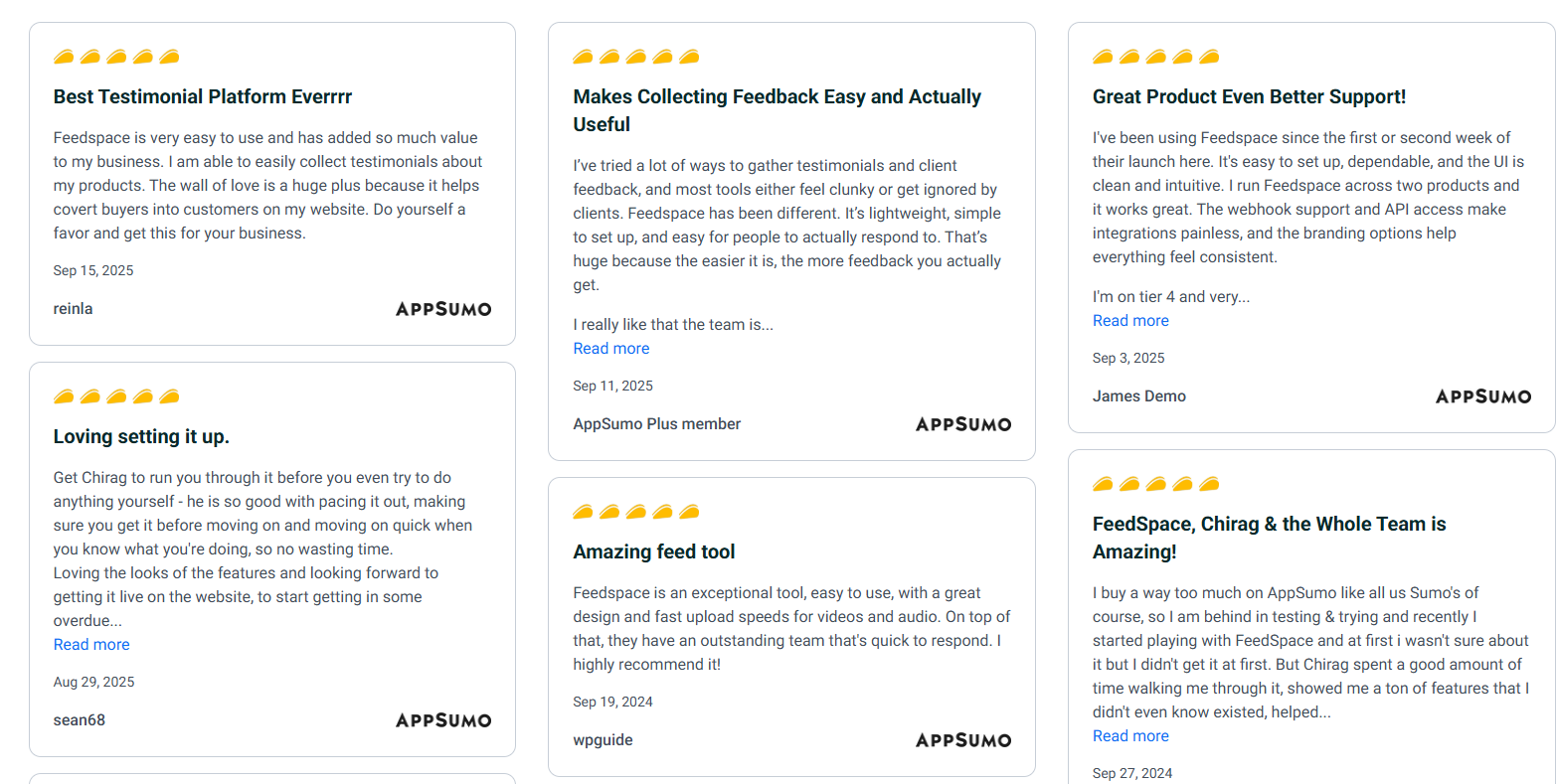
Some tools with higher prices, like Salesforce, offer extensive customization. Others, such as AppSumo’s Feedspace, provide affordable bundles for marketers needing specific functions.
Tool | Starting Price | Key Features | Best For |
|---|---|---|---|
HubSpot | Free - $50/month | CRM, Email Marketing, Automation | Small to Medium Businesses |
AppSumo Feedspace | $49 one-time | Lead Generation, Campaign Management | Cost-conscious Marketers |
Salesforce | $25/user/month | Advanced CRM, Sales Analytics | Large Enterprises |
Subscription Models And Scalability For Growing Marketing Teams
Subscription plans vary: monthly, yearly, or one-time payments. Monthly plans offer flexibility for changing budgets. Yearly subscriptions often give discounts.
Scalability depends on the tool’s ability to support more users and features as teams grow. Consider:
Adding users without large cost jumps
Upgrading to advanced plans easily
Integration with multiple platforms
For example, HubSpot allows smooth upgrades from free to premium tiers. AppSumo’s Feedspace offers a simple purchase model, good for teams needing fixed costs.
Pros And Cons Based On Real-world Usage
Choosing the right sales tools means weighing real-world benefits against challenges. Marketers rely on tools daily, making their feedback vital. Understanding both strengths and weaknesses helps in smarter decisions. Below, user insights highlight key points on popular marketing tools.
Strengths Of Popular Tools: What Users Love And Rely On
Marketers praise tools for features that boost efficiency and results. Common strengths include:
Automation capabilities: Saving time by automating repetitive tasks.
Integration: Seamless connection with other marketing platforms.
Data analytics: Clear, actionable insights for decision-making.
User-friendly interfaces: Easy to navigate, reducing learning time.
Customization options: Tailoring workflows to specific needs.
For example, HubSpot offers robust CRM features with smooth integration options. Zapier stands out for connecting diverse apps effortlessly. Email tools like Brevo provide all-in-one marketing solutions at affordable prices. These features make daily marketing tasks faster and more effective.
Limitations And Common Challenges Faced By Marketers
Even top tools show some drawbacks in practice. Users often report:
Complex setup processes: Initial configurations can be time-consuming.
Cost concerns: Pricing may rise steeply as teams grow.
Feature overload: Too many options can overwhelm new users.
Limited customization: Some tools lack flexibility for unique workflows.
Integration gaps: Not all apps connect smoothly with every tool.
For instance, while Salesforce is powerful, it requires steep learning curves. Some automation tools may not support all desired app connections. Marketers must balance features with ease of use and budget.
User Experience And Customer Support Insights
User experience varies widely across tools. Key observations include:
Tool | User Experience | Customer Support |
|---|---|---|
HubSpot | Intuitive dashboard, smooth workflows | Responsive live chat and extensive knowledge base |
Zapier | Easy automation setup, clear documentation | Reliable email support, active community forums |
Brevo | Simple interface, good for beginners | Fast support response, helpful tutorials |
Strong customer support boosts user confidence. Quick help resolves issues, saving time. Tools with clear guides and active communities enhance the user journey.
Recommendations For Ideal Users And Use Cases
Choosing the right sales tools depends on your team size, industry, and goals. Each tool suits different needs and budgets. Understanding ideal users and use cases helps marketers select tools that fit their unique challenges. Below are recommendations tailored for various users and marketing scenarios.
Best Tools For Small Businesses And Startups
Small businesses and startups need tools that are affordable, easy to use, and scalable. These tools help manage multiple tasks without complex setups.
HubSpot CRM: Free and simple CRM with marketing automation.
Mailchimp: Email marketing with beginner-friendly templates.
Buffer: Social media scheduling that saves time.
Zapier: Connects apps to automate workflows without coding.
These tools boost efficiency and reduce manual work. Startups benefit from all-in-one platforms that combine marketing and sales functions.
Top Picks For Enterprise-level Marketing Teams
Enterprise teams require powerful, customizable tools that integrate with existing systems.
Tool | Strength | Use Case |
|---|---|---|
Salesforce | Comprehensive CRM and sales automation | Managing large sales pipelines and customer data |
Marketo | Advanced marketing automation | Lead nurturing and personalized campaigns |
Google Analytics 4 | Detailed website and user analytics | Tracking marketing performance and conversions |
These platforms support complex campaigns and provide deep insights. They fit large teams needing collaboration and data-driven decisions.
Specialized Tools For E-commerce And B2b Marketers
E-commerce and B2B marketers have distinct needs. They require tools focused on customer behavior and lead generation.
Klaviyo: Email and SMS marketing for e-commerce stores.
Omnisend: Multi-channel marketing tailored to online shops.
CallRail: Call tracking and analytics for lead attribution.
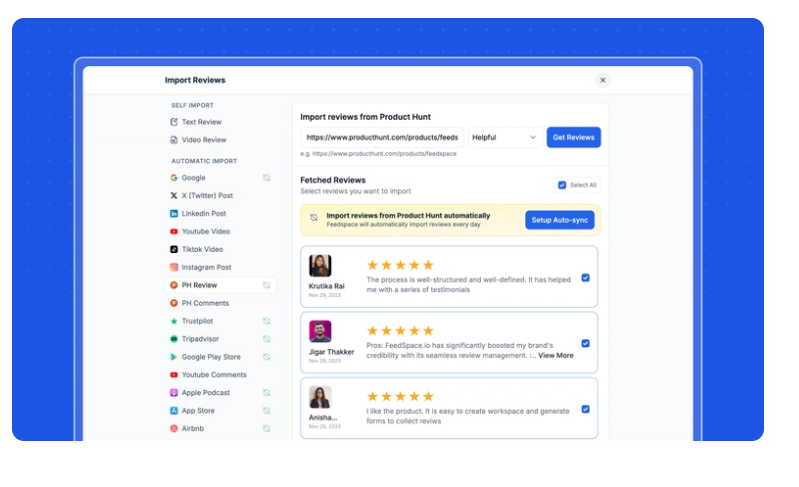
Feedspace (via AppSumo): AI-powered content and sales feed management.
These tools enhance customer engagement and improve sales tracking. B2B marketers focus on lead quality, while e-commerce teams prioritize conversions.
Choosing Tools Based On Marketing Goals And Budgets
Align tools with clear goals and available budgets. Set priorities like lead generation, automation, or analytics.
Define goals: Increase leads, improve customer retention, or boost sales.
Assess budget: Free tools suit startups; paid tools fit growing teams.
Evaluate features: Automation, integration, ease of use.
Test tools: Use free trials before full adoption.
Smart choices avoid overspending and increase ROI. Balance cost with value delivered to your marketing efforts.
Credit: appsumo.com
Conclusion: Maximizing Roi With The Right Sales Tools In 2026
Choosing the right sales tools boosts marketing success and improves ROI. Tools help automate tasks, analyze data, and engage customers better. The right mix fits your team's needs and goals.
Invest in tools that save time and increase sales. This creates a strong foundation for growth and profit in 2026.
Strategies For Integrating Multiple Tools Seamlessly
Integrating tools can be complex but vital for efficiency. Use these strategies:
Centralize data in one platform to avoid silos.
Use automation tools like Zapier to connect apps without coding.
Standardize workflows so every tool complements the process.
Train your team on how tools work together.
Monitor performance regularly to fix gaps quickly.
Effective integration reduces manual work and improves data accuracy.
Future Trends To Watch In Sales And Marketing Technology
Technology evolves fast. Watch these trends shaping sales and marketing:
Trend | Impact | Example Tools |
|---|---|---|
AI-Powered Insights | Better customer understanding and personalized campaigns | ChatGPT, HubSpot AI features |
Automation & Orchestration | Streamlined workflows connecting multiple platforms | Zapier, Make |
All-in-One Platforms | Simplified tool management with integrated features | Brevo, HubSpot |
Sales Enablement Tools | Enhanced team training and content delivery | Walnut.io, AppSumo's Feedspace |
Adopt tools that adapt to these trends for sustained growth.
 Credit: appsumo.com
Frequently Asked Questions
What Are The Best Sales Tools For Marketers In 2026?
The best sales tools in 2026 include AI-powered CRMs, marketing automation, and data analytics platforms. Tools like HubSpot, Salesforce, and Zapier help streamline sales processes and improve customer engagement effectively. Marketers should focus on integrated solutions for better ROI.
How Do Sales Tools Improve Marketing Efficiency?
Sales tools automate repetitive tasks, track leads, and analyze customer data. They enable marketers to focus on strategy and personalized outreach. This leads to faster sales cycles, higher conversion rates, and better alignment between marketing and sales teams.
Which Sales Tools Integrate Well With Marketing Platforms?
Tools like HubSpot, Salesforce, and Mailchimp offer seamless integration with popular marketing platforms. These integrations allow data synchronization, unified customer views, and automated workflows. Choosing compatible tools boosts productivity and ensures consistent communication across channels.
Are Ai-powered Sales Tools Worth Investing In 2026?
Yes, AI-powered sales tools enhance lead scoring, personalize outreach, and predict customer behavior. They save time by automating research and follow-ups. Investing in AI tools gives marketers a competitive edge by improving accuracy and efficiency in sales processes.
Conclusion
Choosing the right sales tools makes marketing easier and more effective. Tools like AppSumo offer great options for marketers in 2026. They help organize tasks and improve sales processes. Staying updated with these tools saves time and effort.
Explore AppSumo to find useful marketing and sales solutions. Embrace technology to reach your goals faster. Small changes in your toolkit can lead to better results. Start using smart tools and watch your marketing grow.

Comments (0)